It started quietly—like most real changes do.
When the pandemic forced our founder to return home, it wasn’t just the virus that had arrived in the village. It was also the silent collapse of livelihoods. The fields were still there, but the income was gone. Families were cutting back on food. Petty crimes, tension, and helplessness had begun to take root.
What he saw wasn’t just about poverty. It was about a deep absence—of systems, of support, of pathways that could help rural people build something of their own.
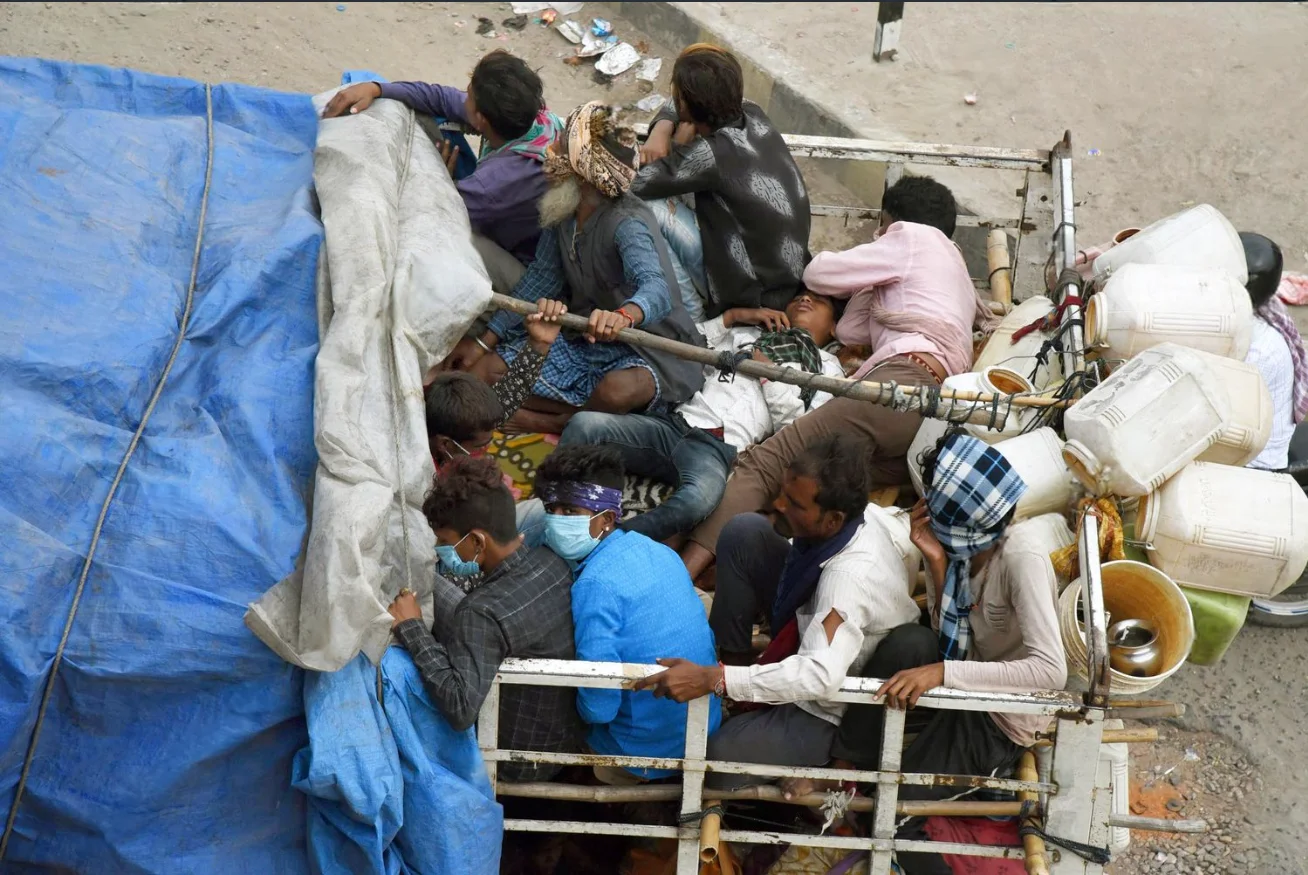
He spoke to farmers. Many of them, though growing food for the world, couldn’t afford basic nutrition for their own children. They wanted to try new crops—some had even watched YouTube videos or attended government trainings—but when problems came, they had no one to turn to. Their efforts stayed isolated, and often, failed.
The more he listened, the clearer it became: value was leaking at every stage. Farmers were not just growing crops—they were growing surplus that no one knew what to do with. Sorting, grading, drying, packaging—almost none of it was happening at the village level. No wonder incomes were stuck. No wonder people were leaving.
But what if we flipped the script?
What if, instead of pushing everything out of the village, we started building something within it?
That question gave birth to Meghdootam—an idea, and now an ecosystem, that believes food processing can do for rural India what IT did for our cities. That every village can be a unit of production, of nutrition, of dignity.
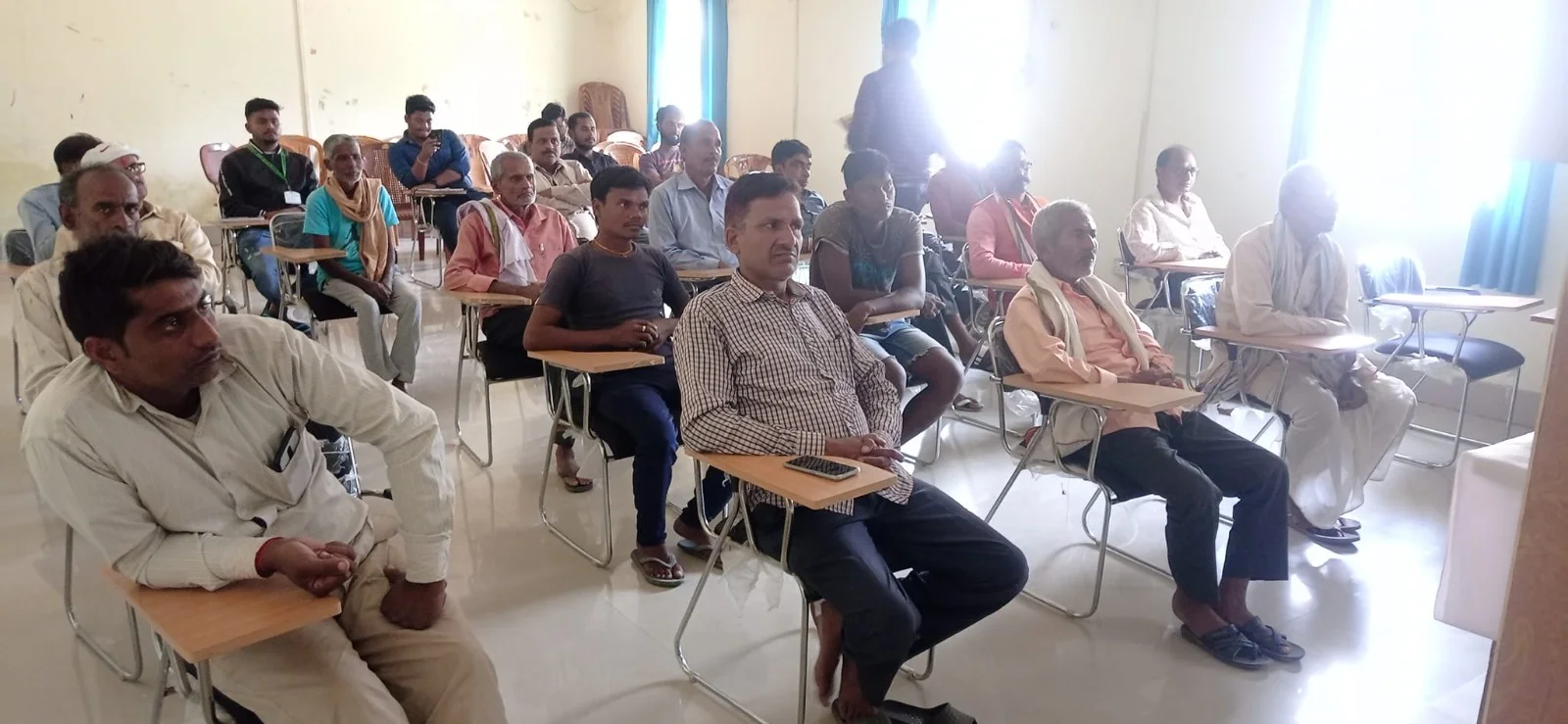
Today, Meghdootam works alongside small and marginal farmers—who form 85% of our rural population. We help them grow smarter, process better, and reach farther—whether it’s through local machines, farmgate procurement, micro-entrepreneurship, or co-branded retail.
We don’t just teach value addition—we live it. Because we believe that when value stays in the village, so do the people.